How I Navigated the Rising Cost of Primary Education — A Real Parent’s Market Insight
Every parent knows the shock of opening that first school bill. I remember staring at the numbers, wondering how primary education got so expensive. It’s not just tuition—fees, supplies, activities, and hidden costs add up fast. I felt overwhelmed, then determined. This isn’t just about budgeting; it’s about understanding the market forces shaping what we pay. Here’s how I learned to see the bigger picture and make smarter choices—without sacrificing my child’s future.
The Hidden Price of "Basic" Education
What many still assume to be a straightforward, low-cost phase of childhood has quietly transformed into a complex financial commitment. The idea that public primary education is "free" is increasingly misleading. While tuition may not appear on a monthly invoice, the real cost burden on families has shifted rather than disappeared. School districts may not charge tuition, but they routinely request or require payments for classroom supplies, technology fees, field trips, after-school programs, and even basic learning materials. These expenses, often labeled as "voluntary" or "donations," are in practice essential for full participation. A 2023 national survey by the National Parent Teacher Association found that the average family spent between $500 and $1,200 annually on such items, with costs rising sharply in urban and high-demand school zones.
The financial structure varies significantly depending on the type of school. Public schools, funded through a mix of local property taxes, state allocations, and federal grants, often face budget shortfalls that lead administrators to seek supplemental funding from families. Charter schools, while publicly funded and tuition-free, operate with more autonomy and may impose additional fees for specialized programs or facilities. Private institutions, meanwhile, are fully tuition-dependent and often market themselves as offering superior resources, smaller class sizes, and enriched curricula—justifications that support their higher price tags. In some regions, elite private elementary schools charge upwards of $25,000 per year, a figure that excludes uniforms, transportation, and enrichment activities.
Regional disparities further complicate the picture. In high-cost metropolitan areas, even public schools may require families to contribute hundreds of dollars per semester just to cover basic classroom needs. Meanwhile, rural districts may lack the tax base to maintain facilities or hire specialists, leading to under-resourced schools and prompting parents to seek alternatives—often at a cost. The result is a two-tiered system where access to quality education is increasingly tied to a family’s ability to pay, not just through direct tuition but through a web of indirect and often unavoidable expenses. This evolving landscape demands that parents move beyond the assumption of affordability and begin treating primary education as a strategic financial decision.
Why School Costs Keep Climbing
The steady rise in primary education expenses is not arbitrary—it is the outcome of interconnected economic and policy-driven forces. One of the most significant contributors is the increasing cost of personnel. Teacher salaries, while still inadequate in many regions, have risen in response to labor market pressures, union negotiations, and efforts to retain qualified educators. In districts facing teacher shortages, signing bonuses, housing stipends, and retirement incentives have become common, all of which are absorbed into school budgets. These personnel costs account for approximately 70 to 80 percent of most public school expenditures, leaving little room for flexibility when other costs rise.
Facility maintenance and modernization represent another major expense. Many school buildings, especially in older communities, require ongoing upgrades to meet safety codes, energy efficiency standards, and accessibility requirements. Renovations for HVAC systems, roofing, or seismic retrofitting can run into millions of dollars, often financed through bond measures approved by local voters. While these improvements are necessary, they are frequently funded through increased property taxes, which indirectly affect all families—even those without children in school. In private institutions, the pressure to maintain modern, attractive campuses drives investment in new classrooms, science labs, and recreational spaces, costs that are passed directly to tuition payers.
Technology integration has also become a non-negotiable expense. The shift toward digital learning, accelerated by the pandemic, has made devices like tablets and laptops standard in many classrooms. Schools must not only purchase hardware but also pay for software licenses, cybersecurity measures, technical support, and teacher training. A single district-wide rollout of learning management systems can cost hundreds of thousands of dollars annually. Additionally, administrative overhead has grown as schools adopt more complex compliance requirements, data tracking systems, and student support services. While these investments improve educational outcomes, they contribute to the overall financial pressure that ultimately translates into higher fees or reduced funding for other programs.
Inflation, particularly in construction, utilities, and transportation, further compounds these challenges. School districts that rely on fixed budgets or delayed funding cycles struggle to keep pace with rising prices. For example, the cost of school bus fuel and maintenance has increased by over 30 percent in the past five years, directly impacting transportation services. At the same time, state funding models often fail to adjust quickly enough to reflect real-world cost increases, leaving districts to make difficult trade-offs. The result is a system where schools must either cut programs, increase class sizes, or shift more of the financial burden onto families—making the rise in education costs not just a trend, but a structural reality.
Public vs. Private: Where Does the Money Go?
Understanding the financial mechanics behind public and private primary schools reveals stark differences in how money is raised, allocated, and justified. Public schools are primarily funded through a combination of local property taxes, state aid, and federal grants. This model creates significant inequities, as wealthier communities generate more revenue per student than lower-income areas. For example, a district in an affluent suburb may spend $20,000 per student annually, while a neighboring urban district struggles with $12,000. These disparities affect everything from teacher quality to extracurricular offerings, reinforcing the perception that better-funded schools provide better education—regardless of actual outcomes.
Because public schools operate under government oversight, they are required to publish budgets and spending reports, offering a degree of transparency. However, this does not always translate into clarity for parents. Line items such as "instructional materials," "professional development," or "general operations" can be vague, making it difficult to assess whether funds are being used efficiently. Moreover, when public schools face shortfalls, they often resort to fundraising campaigns, PTA-led drives, or "school supply fee" requests, blurring the line between public responsibility and private contribution. This shift places an unequal burden on families, as those with more time and resources are better able to support these initiatives, further widening the gap in student experiences.
Private schools, by contrast, operate on a tuition-driven model with greater financial autonomy. They are not bound by the same funding formulas or public accountability standards, allowing them to set prices based on market demand rather than tax revenue. While many private institutions are non-profit and reinvest surplus funds into facilities or scholarships, their pricing strategies are still influenced by competition, branding, and perceived value. A school that markets itself as offering bilingual immersion, Montessori methods, or advanced STEM programs can command higher tuition, even if the actual cost of delivering those programs is not proportionally higher.
What’s more, private schools often attract families who prioritize educational advantage, creating a self-reinforcing cycle of demand and exclusivity. Long waitlists, selective admissions, and alumni networks contribute to a perception of prestige, which in turn justifies premium pricing. Some institutions even use financial aid strategically, offering discounts to high-achieving students to boost academic rankings while charging full tuition to others. This market-driven approach allows private schools to maintain stable revenue streams but also raises concerns about equity and access. For parents, the choice between public and private is not just educational—it is deeply financial, requiring careful analysis of what they are paying for and what they are likely to receive in return.
The Parent’s Role in the Education Economy
Parents are not passive recipients of education costs—they are active participants in a complex financial ecosystem. Every enrollment decision, every optional program signed up for, and every donation made sends a signal to schools about what families value and what they are willing to pay for. This collective behavior shapes supply-side decisions, influencing which programs schools expand, which teachers they hire, and how they allocate limited resources. When a majority of parents in a district enroll their children in after-school coding classes, for example, the school may respond by making such programs a permanent part of the curriculum—or by raising fees to sustain them.
This dynamic has given rise to what some economists call the "early education arms race," where families feel compelled to invest in enrichment activities to ensure their children remain competitive. Even in public schools, where core instruction is standardized, the availability of robotics clubs, foreign language tracks, music ensembles, and advanced math groups creates a tiered experience. Parents who can afford the associated fees gain access to these advantages, while those who cannot may see their children fall behind in extracurricular development. Over time, this contributes to a perception that full participation in education requires more than attendance—it requires investment.
Schools, in turn, respond to this demand by expanding fee-based offerings. A public elementary school might introduce a Spanish immersion track with a $600 annual fee, justified by the need to hire specialized teachers and purchase materials. If enough families pay, the program becomes self-sustaining and may even be promoted as a unique selling point. This creates a feedback loop: demand drives supply, supply creates new costs, and those costs become normalized. The result is a system where the definition of "basic" education continues to expand, not because of policy mandates, but because of parental expectations shaped by competition and aspiration.
Understanding this cycle is crucial for making informed financial decisions. Parents who recognize their role as market participants can choose to opt out of unnecessary expenses or advocate for more equitable funding models. They can also collaborate with other families to pool resources, negotiate group discounts, or push for district-wide solutions that reduce individual burdens. By viewing education spending not just as a personal expense but as a collective influence, families gain greater agency in shaping the system they are part of.
Smarter Spending Without Sacrificing Quality
Managing the cost of primary education does not require sacrificing quality—it requires strategy. One of the most effective approaches is timing. Many school-related purchases, such as uniforms, backpacks, and supplies, follow predictable annual cycles. By buying these items during post-season sales or early-bird promotions, families can save 30 to 50 percent. Retailers often discount back-to-school inventory in late August, and end-of-year clearances offer opportunities to stock up for the following year. Similarly, registering for enrichment programs early can sometimes secure lower rates or priority placement, avoiding last-minute price hikes or waitlist fees.
Another powerful tool is collective action. Parent groups, PTAs, or neighborhood networks can negotiate bulk discounts with vendors for everything from school supplies to after-school transportation. Some communities have established shared resource libraries, where families contribute gently used textbooks, instruments, or science kits for others to borrow. These initiatives not only reduce individual costs but also foster a sense of community and mutual support. In some districts, parents have successfully lobbied school boards to standardize supply lists, preventing individual teachers from requesting redundant or overly expensive materials.
Choosing the right school is perhaps the most impactful financial decision. Families should evaluate institutions not just on reputation or test scores, but on their fee transparency and overall cost structure. A school that bundles most activities into a single annual fee may offer better value than one with low tuition but numerous add-ons. Similarly, schools with strong partnerships with local universities, nonprofits, or businesses may offer enrichment programs at little or no cost. Some districts also provide transportation, meals, and technology devices at no charge, significantly reducing out-of-pocket expenses.
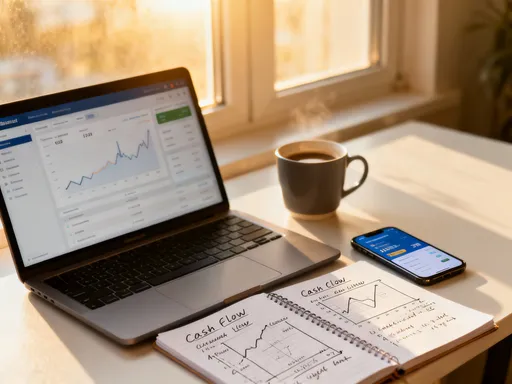
Behavioral shifts also play a role. Parents who adopt a long-term planning mindset—reviewing school calendars, anticipating expenses, and setting aside funds monthly—are better equipped to avoid financial stress. Simple habits, such as reusing uniforms, sharing carpools, or participating in school-sponsored fundraising instead of paying fees directly, can yield substantial savings over time. The goal is not to eliminate spending, but to ensure that every dollar contributes to meaningful educational value.
Investing Ahead: Preparing for the Long-Term Financial Journey
Primary school is only the first chapter in a much longer financial story. For most families, the costs of education will continue to rise through middle school, high school, and beyond. Recognizing this, the most effective financial strategy is to plan early and consistently. One of the most powerful tools available is the education savings account, such as the 529 plan in the United States, which allows families to invest money with tax-free growth when used for qualified educational expenses. Even modest monthly contributions—$100 or $150—can grow significantly over a decade, especially when started during the early elementary years.
Another approach is to integrate education costs into broader household budgeting. Instead of treating school expenses as unexpected or occasional, families can allocate a fixed percentage of income specifically for education. This creates a dedicated fund that can absorb fee increases, supply costs, and enrichment activities without disrupting other financial goals. Automating transfers to this account ensures consistency and reduces the temptation to spend elsewhere. Some parents also choose to redirect windfalls—such as tax refunds, bonuses, or gift money—into education savings, turning irregular income into long-term security.
Understanding the current education market also helps families anticipate future trends. For example, as technology becomes more embedded in learning, the cost of devices and digital subscriptions may continue to rise. Schools may increasingly rely on hybrid models, requiring home internet access, software tools, or learning platforms with subscription fees. By staying informed, parents can prepare for these shifts rather than react to them. They can also advocate for policies that promote affordability, such as expanded public funding, equitable resource distribution, or subsidies for low-income families.
Ultimately, proactive financial planning transforms education from a source of stress into a manageable, predictable part of family life. It empowers parents to make choices based on values rather than panic, and to support their children’s development without compromising long-term stability.
Conclusion: Raising Kids in a High-Cost System
The rising cost of primary education is not a temporary challenge—it is a defining feature of today’s educational landscape. Families can no longer assume that elementary school will be an affordable, straightforward phase of childhood. Instead, they must approach it with the same level of financial awareness and planning as they would a major purchase or long-term investment. The good news is that understanding the system changes the game. When parents see education not just as a series of bills but as a dynamic market shaped by policy, supply, demand, and collective behavior, they gain the power to make informed, strategic choices.
This is not about opting out or rejecting the system. It is about navigating it with clarity, purpose, and resilience. It is about recognizing that every dollar spent should serve a clear educational purpose, and that savings do not have to come at the expense of quality. By planning ahead, leveraging community resources, and making value-driven decisions, families can protect their financial well-being while fully supporting their children’s growth.
The education system may be complex and costly, but parents are not powerless. With knowledge, foresight, and thoughtful action, it is possible to raise confident, capable children without sacrificing financial peace of mind. The journey begins not with a perfect solution, but with a simple decision: to see the full picture, and to act with intention.