Why I Put Watches in My Portfolio: A Real Asset Play
What if your watch did more than tell time? I used to see luxury timepieces as status symbols—until I realized they could also be smart investments. After years of treating them as expenses, I shifted my mindset and started viewing certain watches as real assets. This move didn’t just diversify my portfolio; it changed how I think about value, ownership, and long-term growth. Curious how a wristwatch fits into serious wealth building? Let me walk you through the method I tested—and why it might matter for your own asset allocation.
The Moment I Saw a Watch Differently
For most of my adult life, luxury watches were accessories—beautiful, yes, but ultimately symbolic. I associated them with milestones: a graduation gift, a promotion, or a wedding anniversary. Their value, in my mind, was emotional and aesthetic, not financial. That changed when I attended a friend’s small gathering where he casually mentioned selling a vintage Rolex Submariner. The watch, originally purchased for $8,000 over a decade earlier, fetched $22,000 at auction. I was stunned. Not because the number was extraordinary by luxury market standards, but because it defied everything I thought I knew about consumer goods: this item had appreciated, not depreciated.
That conversation sparked a deep dive into the world of collectible timepieces. I began reading auction reports, studying brand histories, and analyzing price trends across decades. What I found was not a speculative bubble but a well-documented pattern: certain watches, particularly from a handful of Swiss manufacturers, have consistently held or increased in value over time. Unlike cars, electronics, or even designer handbags that lose worth the moment they leave the store, these timepieces behave more like heirlooms—objects whose value grows with age, rarity, and cultural significance. The shift in perception was profound. I stopped seeing watches as disposable luxuries and began to recognize them as tangible assets, much like fine art or rare coins.
This realization wasn’t about chasing trends or gambling on fashion. It was rooted in understanding long-term ownership and the quiet power of scarcity. I began to appreciate that a well-chosen watch isn’t just a tool for timekeeping; it’s a physical manifestation of craftsmanship, history, and market demand. For the first time, I saw the possibility of integrating such items into a broader financial strategy—not as the centerpiece, but as a complementary layer of diversification. This wasn’t about replacing stocks or bonds; it was about adding something with different risk and return characteristics, something that could perform when other assets struggled.
How Watches Act Like Real Assets
At first glance, a wristwatch seems like an odd fit for a serious investment portfolio. It’s small, personal, and often worn daily. Yet when examined through the lens of asset economics, certain luxury watches share key traits with traditional real assets such as real estate, gold, or vintage wine. They are physical, durable, and—critically—scarce. Unlike mass-produced consumer goods, many high-end timepieces are made in limited numbers, sometimes only a few hundred per year. This scarcity, combined with strong brand equity and enduring demand, creates the conditions for value preservation and appreciation.
Brands like Rolex, Patek Philippe, and Audemars Piguet have spent decades building reputations for precision, innovation, and exclusivity. Their most sought-after models—such as the Rolex Daytona, the Patek Philippe Nautilus, or the Audemars Piguet Royal Oak—are not just watches; they are cultural icons. The waiting lists for new models can stretch for years, and authorized dealers often allocate pieces to loyal clients rather than sell them outright. This controlled supply fuels secondary market demand, where prices frequently exceed retail. For example, a Rolex Daytona that retails for $15,000 may sell for $30,000 or more on the pre-owned market, depending on model, condition, and provenance.
The economic mechanics behind this phenomenon are rooted in supply and demand, but also in narrative and legacy. A watch’s value isn’t determined solely by its materials or movement; it’s influenced by its story—its design heritage, celebrity associations, and historical significance. A vintage Omega Speedmaster worn during NASA’s Apollo missions, for instance, carries a premium far beyond its mechanical function. Similarly, a Patek Philippe with documented ownership history can command higher prices due to its authenticity and traceability. These factors create a market that behaves more like collectibles than commodities, where value is driven by perception, rarity, and long-term demand cycles.
From a portfolio perspective, this makes certain watches function as alternative assets. They are not correlated with stock or bond markets in the same way traditional investments are. While equities rise and fall with corporate earnings and interest rates, a rare timepiece’s value may be influenced by collector sentiment, auction results, or shifts in luxury consumption. This independence is precisely what makes them valuable in a diversified strategy. They don’t move in lockstep with the S&P 500, which means they can offer a buffer during periods of market volatility. For investors seeking resilience, this non-correlation is not just interesting—it’s strategic.
Why Traditional Portfolios Need This Shift
Most conventional investment portfolios rely heavily on a mix of stocks, bonds, and perhaps real estate. These assets have proven track records and are well understood by financial advisors and individual investors alike. Yet, during times of economic stress—such as the 2008 financial crisis or the 2020 market shock—these asset classes often move together, falling in tandem as investors seek liquidity and safety. This lack of true diversification exposes portfolios to concentrated risk. When everything drops at once, there are few places to hide.
This is where non-correlated assets like luxury watches can play a meaningful role. Because their value is driven by different forces—collector demand, brand strength, and scarcity—they often perform independently of public markets. In some cases, they even rise in value when equities decline. During periods of inflation or currency devaluation, tangible assets with inherent desirability tend to hold their ground better than paper investments. A gold Rolex, for example, combines the intrinsic value of precious metal with the prestige of a luxury brand, making it resilient in uncertain economic climates.
The concept of correlation is central to modern portfolio theory. The goal is not to eliminate risk entirely—that’s impossible—but to reduce it through diversification. By adding a small allocation of alternative assets, investors can lower the overall volatility of their portfolios without sacrificing long-term returns. Think of it like a balanced diet: just as no single food provides all the nutrients the body needs, no single asset class provides all the protection a portfolio requires. Watches, in this analogy, are not the main course but a nutrient-rich supplement—small in portion, but high in value.
Importantly, this approach isn’t about speculation or timing the market. It’s about thoughtful allocation. The average investor doesn’t need to own ten watches to benefit; even one well-chosen piece can introduce a new dimension of stability. The key is to treat the purchase not as a luxury indulgence but as a deliberate financial decision—one made with research, patience, and a long-term outlook. When integrated responsibly, watches can enhance a portfolio’s ability to withstand turbulence, offering both psychological comfort and measurable financial benefits.
Picking the Right Watch: It’s Not About Price Tags
One of the most common misconceptions about watch investing is that price equals potential. A $50,000 timepiece must be a good investment, right? Not necessarily. The reality is far more nuanced. I learned this lesson the hard way when I purchased a limited-edition model from a respected brand, only to see its value drop by 40% within two years. The watch was beautiful, the craftsmanship impeccable, but the market simply didn’t embrace it. Production was higher than anticipated, demand fizzled, and secondary prices collapsed. It was a costly reminder that not all luxury watches are created equal.
The difference between a depreciating luxury item and an appreciating asset lies in a combination of factors: production volume, brand heritage, model history, and collector demand. The most successful investment watches are typically those with low annual production, strong brand recognition, and a track record of long-term value retention. For example, the Rolex Submariner 116610LV, known as the “Hulk,” was produced in relatively limited numbers and became highly sought after, pushing its resale value well above retail. In contrast, models with wide availability or frequent reissues often fail to build lasting value.
Another critical factor is brand consistency. Companies like Patek Philippe and Audemars Piguet have maintained strict control over production and distribution for generations, ensuring that their most iconic models remain rare and desirable. Rolex, while producing more units than its peers, carefully manages demand through its dealer network and model discontinuations, creating natural scarcity. These brands also benefit from deep-rooted collector communities, where knowledge is shared, and provenance is valued. A watch with full documentation—original box, papers, service history—is worth significantly more than one without, because it offers authenticity and trust.
Emotional buying is another pitfall to avoid. It’s easy to fall in love with a design, a color, or a story. But investment decisions should be guided by data and market trends, not sentiment. I now follow a checklist before making a purchase: Is the model historically strong? Is production limited? Is there active demand on resale platforms? Has the brand maintained value over time? Answering these questions helps me separate passion from prudence. The goal isn’t to own the most expensive watch, but the one most likely to retain or increase in value over the long term.
Entry and Exit: Timing Without Guessing
Timing the market is a fool’s game in most investment arenas, and watch collecting is no exception. You can’t predict with certainty when a model will peak or crash. But that doesn’t mean timing is irrelevant. Strategic entry and exit points can make a significant difference in returns. The key is not to chase short-term gains but to operate with discipline and awareness.
One of the most effective strategies I’ve adopted is buying pre-owned rather than new. When a watch is purchased at retail, it immediately loses value—sometimes as much as 20–30%—the moment it’s taken home. By buying pre-owned, I avoid this initial depreciation and enter the market closer to fair market value. Of course, condition is critical. I look for watches with full service histories, original parts, and minimal wear. I also verify authenticity through reputable dealers or third-party authentication services, as counterfeit timepieces remain a risk in the secondary market.
On the exit side, I focus on market signals rather than emotions. I monitor auction results from major houses like Christie’s and Sotheby’s, track prices on platforms like Chrono24 and WatchBox, and pay attention to brand announcements. When a model is discontinued, for example, its value often rises due to increased scarcity. Similarly, when a new version is released, demand for the older model may surge among collectors. These are potential inflection points for selling. I also consider personal factors—such as changes in financial goals or portfolio rebalancing—as valid reasons to exit a position.
Selling through trusted channels is just as important as buying wisely. Private sales can yield high returns but require more effort and carry higher risk. Auctions offer transparency and reach but charge seller fees. Dealer trade-ins provide convenience but often undervalue the piece. I weigh these options carefully, always prioritizing security and fair pricing. The goal is not to maximize profit in a single transaction, but to build a track record of sound decisions over time.
Storage, Maintenance, and Hidden Costs
Owning a watch as an investment is not a passive endeavor. Unlike a stock that sits in a brokerage account, a physical timepiece requires care, maintenance, and protection. I learned this the hard way when a watch I hadn’t worn for several years developed moisture under the crystal due to improper storage. The repair cost was substantial, and the incident reduced the watch’s resale value. It was a wake-up call: preserving value requires active stewardship.
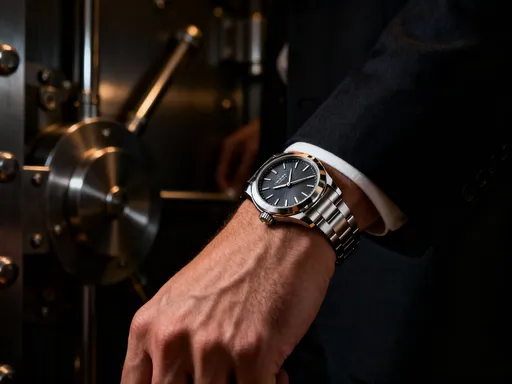
Proper storage is the first line of defense. I keep my watches in a climate-controlled safe with humidity regulation, away from direct sunlight and magnetic fields. For long-term storage, I use watch winders for automatic models to keep the movement running and prevent lubricants from drying out. These precautions may seem excessive, but they are essential for maintaining both function and appearance. A scratch, a fogged dial, or a stopped movement can significantly impact a watch’s marketability.
Regular servicing is equally important. Most manufacturers recommend servicing every five to seven years, depending on usage. While the cost—typically $500 to $1,500 per service—can add up, skipping it risks greater expenses down the line. A poorly maintained movement can lose accuracy, develop corrosion, or fail entirely. More importantly, a watch without service records is harder to sell. Buyers want assurance that the timepiece has been cared for, and documentation provides that proof.
Insurance and authentication are also critical. I insure each watch for its current market value through a specialty provider that covers theft, loss, and damage. I also keep digital copies of all receipts, service invoices, and authentication certificates. These records not only protect my investment but also enhance its credibility in the secondary market. The bottom line is this: the true cost of ownership includes more than the purchase price. Storage, servicing, insurance, and documentation are all part of the equation. Ignoring them can erode returns, no matter how strong the underlying asset.
Balancing Risk: How Much Is Too Much?
No investment is without risk, and luxury watches are no exception. The market can be illiquid, meaning it may take time to find a buyer at the right price. It can also be opaque, with pricing that varies widely across platforms and regions. Unlike stocks, there’s no real-time ticker or centralized exchange. Trends in fashion, brand reputation, or economic conditions can shift quickly, affecting demand. These factors mean that watch investing should never dominate a portfolio—it should complement it.
I treat my watch allocation like venture exposure: small, strategic, and non-essential. For most investors, a range of 1% to 5% of total investable assets is reasonable, depending on risk tolerance and financial goals. This ensures that even if a watch loses value, the overall portfolio remains stable. The goal is not to get rich from watches, but to use them as a tool for diversification and long-term value preservation.
Discipline is key. I avoid hype, resist the urge to chase trending models, and stick to my criteria for quality and scarcity. I also stay informed, reading industry reports, attending watch fairs, and engaging with collector communities. Knowledge is the best defense against poor decisions. Over time, I’ve found that patience yields better results than speculation. The watches that have performed best in my portfolio are not the flashiest or most expensive, but the ones I held through market cycles, allowing their value to compound quietly over years.
This approach isn’t for everyone. It requires research, emotional control, and a willingness to think differently about ownership. But for those willing to look beyond traditional asset classes, it offers a unique opportunity—a way to blend passion with prudence, and to hold something beautiful that also holds value.
Beyond the Wrist, Into the Future
Luxury watch investing isn’t about flaunting wealth—it’s about rethinking it. By treating certain timepieces as real assets, I’ve added a unique layer of diversification that’s both tangible and timeless. This approach won’t replace traditional investing, but it strengthens it. More than numbers, it’s taught me patience, attention to detail, and the value of holding something that lasts. For anyone looking to build resilience in their portfolio, this quiet shift might just be worth a closer look.