Breathe Better, Live Stronger: How Breathing Shapes Your Health
Ever feel like your body’s running on empty, even when you’re doing everything “right”? You eat well, try to stay active, and get enough sleep—yet still wake up tired or feel mentally foggy by midday. This experience is more common than you might think, and the solution may not lie in a new diet, supplement, or fitness trend. Instead, it could be something far more fundamental: the way you breathe. Breathing is often taken for granted as an automatic function, but when it becomes shallow, irregular, or stressed, it can quietly undermine your energy, mood, and long-term health. The good news is that by simply becoming aware of your breath and learning to guide it with intention, you can unlock powerful benefits—from reduced stress to improved focus and resilience. This isn’t about dramatic changes, but a gentle reconnection with one of your body’s most essential rhythms.
The Hidden Power of Breath: More Than Just Oxygen
Breathing does far more than deliver oxygen to the lungs—it plays a central role in regulating your entire nervous system. Every inhale gently stimulates the sympathetic nervous system, the body’s accelerator, while every exhale activates the parasympathetic nervous system, which acts as a brake, promoting calm and recovery. When your breathing is slow, deep, and rhythmic, you signal safety to your body. This shift helps lower heart rate, reduce blood pressure, and ease muscle tension. In contrast, rapid, shallow breaths send a message of alertness or danger, even if no real threat exists. Over time, this can keep the body in a low-grade state of stress, depleting energy and impairing mental clarity.
Many people underestimate how much their breathing affects their daily well-being. Consider the common experience of feeling overwhelmed during a busy workday. As deadlines approach, your breath may shorten without you noticing, contributing to a spiral of anxiety and fatigue. Or imagine struggling to focus after lunch—what feels like a lack of willpower may actually stem from poor oxygen exchange and an overactive stress response. By restoring balanced breathing, you can interrupt these patterns and regain a sense of control. The breath is unique because it operates both automatically and consciously, making it a powerful tool for self-regulation. Unlike heart rate or digestion, which you can’t directly influence, breathing offers a direct line to your internal state.
Research has shown that controlled breathing can improve emotional regulation and cognitive performance. For instance, a 2017 study published in Frontiers in Psychology found that slow breathing practices enhanced attention, mood, and physiological stability in healthy adults. These benefits are not limited to meditation experts or yoga practitioners—anyone can access them with minimal time and effort. The key is consistency and awareness. By treating breath as a daily practice rather than a passive function, you begin to support your body’s natural ability to restore balance. This foundational shift can ripple outward, improving sleep, digestion, and even immune function over time.
Why Modern Life Ruins Our Natural Breath
Human beings are designed to breathe deeply and rhythmically, primarily using the diaphragm—a dome-shaped muscle beneath the lungs. This natural, diaphragmatic breathing supports optimal oxygen exchange and keeps the nervous system in balance. Yet, in today’s fast-paced world, many people have drifted far from this healthy pattern. Sedentary lifestyles, prolonged sitting, and constant digital engagement contribute to shallow, chest-dominant breathing. Instead of expanding the belly with each inhale, the shoulders and upper chest rise and fall, limiting lung capacity and increasing stress signals in the body.
Posture plays a major role in this shift. Slouching over a desk or looking down at a phone compresses the diaphragm and restricts airflow. Over time, the body adapts to this inefficient pattern, treating it as normal—even when it isn’t. This poor breathing habit is often compounded by chronic stress. When under pressure, the body naturally tightens, and breathing becomes faster and more erratic. In moments of anxiety, some people may even hyperventilate, breathing out too much carbon dioxide. While carbon dioxide is often seen as a waste gas, it plays a crucial role in helping oxygen release from hemoglobin into tissues. When CO2 levels drop too low, oxygen remains trapped in the blood, leading to symptoms like dizziness, fatigue, and brain fog—a condition known as the Bohr effect.
Another overlooked factor is mouth breathing, especially during the day or while sleeping. Breathing through the nose filters, warms, and humidifies air, while also producing nitric oxide—a molecule that supports lung function and circulation. Mouth breathing bypasses these benefits and is linked to poorer sleep quality and increased snoring. Children and adults who habitually breathe through their mouths may develop altered facial structure over time, further impairing airway function. The modern environment, with its allergens, pollution, and sedentary routines, makes nasal breathing more difficult, creating a cycle that’s hard to break without conscious effort.
The tragedy is that most people are unaware their breathing is compromised. There’s no pain or immediate warning sign—just a gradual decline in energy, focus, and resilience. You might chalk up afternoon fatigue to poor sleep or diet, when in fact, inefficient breathing is a hidden contributor. Recognizing this disconnect is the first step toward change. By simply observing your breath throughout the day—during work, while driving, or before bed—you can begin to notice patterns and identify moments when your breathing becomes strained. This awareness creates space for intervention, allowing you to gently guide your breath back to a healthier rhythm.
Breathing as Body Maintenance: A Daily Tune-Up
Just as you brush your teeth each morning to maintain oral health, or stretch your muscles to preserve flexibility, breathing exercises can be seen as essential maintenance for your nervous system and overall well-being. The body thrives on rhythm and balance, and breath is one of the most accessible ways to restore both. Think of it as a daily tune-up for your internal engine—small, consistent actions that prevent larger problems down the road. When practiced regularly, intentional breathing supports the body’s natural repair processes, helping you recover from stress, improve sleep, and stay mentally sharp.
One of the most powerful aspects of breathwork is its role as a feedback loop. The way you breathe reflects your internal state: when you’re anxious, your breath becomes fast and shallow; when you’re relaxed, it slows and deepens. But the reverse is also true—by changing your breath, you can shift your emotional and physiological state. This two-way connection makes breathing a rare tool that allows you to influence your body from the inside out. Unlike external interventions like medication or therapy, breath is always available, free, and within your control. It requires no special equipment or training—just a few minutes of attention each day.
Over time, regular breathing practice strengthens the diaphragm and improves lung capacity, much like strength training builds muscle. It also enhances heart rate variability (HRV), a key marker of cardiovascular health and stress resilience. Higher HRV indicates that your body can adapt quickly to changing demands, a sign of robust physiological function. Studies have shown that people with higher HRV tend to have better emotional regulation, stronger immune responses, and lower risk of chronic disease. While genetics play a role, HRV can be improved through lifestyle habits—including controlled breathing.
Integrating breathwork into your routine doesn’t require major time commitments. Even two to five minutes a day can yield noticeable benefits, especially when done consistently. The goal isn’t perfection but presence—learning to reconnect with a natural rhythm that modern life has obscured. As with any form of self-care, the benefits accumulate over time. You may not feel dramatic changes after the first session, but with practice, you’ll likely notice greater calm, improved focus, and a deeper sense of stability. This is preventive health at its most accessible: a daily investment in your long-term vitality.
The Science-Backed Benefits: What Research Shows
A growing body of scientific research supports the health benefits of mindful breathing practices. Clinical studies have demonstrated that techniques like diaphragmatic breathing and paced respiration can significantly reduce symptoms of anxiety, improve mood, and enhance cognitive performance. A 2020 meta-analysis published in JAMA Internal Medicine reviewed multiple randomized controlled trials and found that mindful breathing interventions led to moderate reductions in anxiety and stress levels across diverse populations. These effects were observed even in individuals without diagnosed mental health conditions, suggesting that breathwork can support general well-being.
One of the most well-documented mechanisms is the impact on cortisol, the body’s primary stress hormone. Chronic elevation of cortisol is linked to a range of health issues, including weight gain, sleep disturbances, and weakened immunity. Controlled breathing has been shown to lower cortisol levels, helping the body return to a state of balance after stress. For example, a study conducted at the University of California, San Francisco, found that just 10 minutes of slow breathing per day for eight weeks led to measurable reductions in cortisol and improvements in perceived stress among participants.
Heart rate variability (HRV) is another area where breathing has a profound effect. HRV reflects the variation in time between heartbeats and is a strong indicator of autonomic nervous system function. Higher HRV is associated with better stress resilience, emotional regulation, and overall health. Research has shown that slow, rhythmic breathing—particularly at a rate of about six breaths per minute—can increase HRV by synchronizing heart rate with respiration, a phenomenon known as respiratory sinus arrhythmia. This synchronization enhances parasympathetic activity, promoting relaxation and recovery.
Breathing exercises have also been studied for their impact on blood pressure. A 2013 trial published in Alternative Therapies in Health and Medicine found that participants who practiced slow breathing for 15 minutes daily over eight weeks experienced significant reductions in both systolic and diastolic blood pressure. These findings suggest that breathwork could be a valuable complementary approach for individuals managing hypertension, alongside medical treatment and lifestyle changes.
While breathing practices are not a cure for medical conditions, they are increasingly recognized as effective tools for symptom management and resilience building. They are now used in clinical settings, including cardiac rehabilitation, chronic pain programs, and mental health therapy. The key takeaway from the research is that breathing is not just a passive function—it’s a modifiable behavior with measurable physiological effects. When practiced with intention, it becomes a form of self-regulation that supports both mental and physical health.
Simple Techniques You Can Start Today
The beauty of breathwork lies in its simplicity. You don’t need special equipment, a lot of time, or prior experience to begin. Three evidence-based techniques—diaphragmatic breathing, box breathing, and extended exhale breathing—can be easily learned and practiced anywhere. Each offers unique benefits and can be tailored to your needs and schedule. The key is to start small, focus on consistency, and observe how your body responds over time.
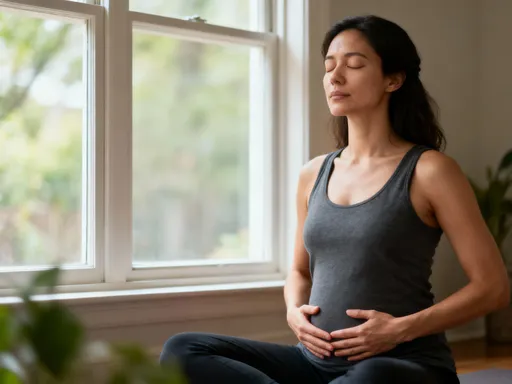
Diaphragmatic breathing, also known as belly breathing, is the foundation of healthy respiration. To practice, sit or lie in a comfortable position with one hand on your chest and the other on your belly. Inhale slowly through your nose, allowing your belly to rise while keeping your chest still. Exhale gently through your nose or mouth, feeling your belly fall. Aim for a smooth, wave-like motion. Start with 3–5 minutes daily, gradually increasing as it feels comfortable. This technique strengthens the diaphragm, improves oxygen exchange, and activates the relaxation response.
Box breathing is a structured method used by athletes, military personnel, and first responders to stay calm under pressure. It involves four equal phases: inhale for four counts, hold for four counts, exhale for four counts, and hold again for four counts. Repeat the cycle for several minutes. This technique enhances focus and emotional control by creating a predictable rhythm that calms the mind. It’s especially useful before stressful events, such as public speaking or difficult conversations.
Extended exhale breathing emphasizes longer exhalations to activate the parasympathetic nervous system. Try inhaling for a count of four and exhaling for a count of six or eight. The longer exhale signals safety to the body, helping to reduce anxiety and prepare for sleep. This method is ideal in the evening or during moments of tension. You can adjust the counts to what feels natural—what matters most is that the exhale is longer than the inhale.
To build a sustainable habit, pair your breathing practice with an existing routine—such as after brushing your teeth, during your morning coffee, or before turning off the lights at night. Even a few minutes a day can make a difference. The goal is not to achieve perfection but to cultivate awareness and consistency. Over time, you may find yourself naturally returning to these patterns during stressful moments, without needing to set aside extra time.
Integrating Breath Into Daily Movement and Rest
Breath is not just for stillness—it can enhance every aspect of your daily life, from physical activity to rest. When movement and breath are coordinated, exercise becomes more efficient, recovery faster, and energy more sustained. For example, during walking, try syncing your breath with your steps: inhale for three steps, exhale for three. This rhythmic pattern can improve endurance and reduce perceived effort. In strength training, exhaling during the exertion phase (such as lifting a weight) helps stabilize the core and prevent unnecessary strain.
Nasal breathing during low- to moderate-intensity exercise offers additional benefits. It limits airflow slightly, increasing CO2 tolerance and improving oxygen delivery to tissues. Many endurance athletes incorporate nasal breathing into their training to build stamina and reduce post-exercise fatigue. Even if you’re not an athlete, practicing nasal breathing during walks or light workouts can enhance your aerobic capacity over time.
Stretching and flexibility routines also benefit from mindful breathing. As you move into a stretch, inhale to prepare, then exhale deeply to release deeper into the movement. The exhale helps relax muscles and prevent the tension that can limit range of motion. This synergy between breath and movement makes stretching more effective and enjoyable.
At the end of the day, breath can be a bridge to better sleep. Many people struggle to wind down because their nervous system remains in “on” mode. A simple pre-sleep routine of 5–10 minutes of extended exhale breathing can signal the body that it’s time to rest. Lie in bed, close your eyes, and focus on making your exhales longer than your inhales. Let go of the need to control your thoughts—just follow your breath. Over time, this practice can improve sleep onset and quality, helping you wake up feeling more refreshed.
When to Seek Professional Guidance
While breathing exercises are safe and beneficial for most people, they are not a substitute for medical care. If you experience chronic shortness of breath, chest pain, dizziness, or fainting during breathing practices, it’s important to consult a healthcare provider. These symptoms could indicate an underlying condition such as asthma, cardiovascular disease, or an anxiety disorder that requires professional evaluation and treatment.
Some individuals, particularly those with a history of trauma or panic disorder, may find that certain breathing techniques initially increase anxiety. In such cases, working with a trained therapist or certified breath coach can help ensure a safe and supportive experience. Professionals can guide you in choosing appropriate methods and adjusting your practice to your needs.
It’s also important to remember that self-care complements, rather than replaces, medical treatment. If you’re managing a chronic health condition, continue to follow your doctor’s advice while exploring breathwork as an additional tool. Many healthcare providers now recognize the value of integrative approaches and may even recommend breathing exercises as part of a comprehensive care plan.
Breathing is not a quick fix but a lifelong practice. Like any skill, it improves with time and attention. The journey begins with a single breath—an intentional pause in the rush of daily life. By returning to this simple act again and again, you cultivate a deeper connection to your body, a greater sense of calm, and a stronger foundation for long-term health. The power to breathe better—and live stronger—has been within you all along.