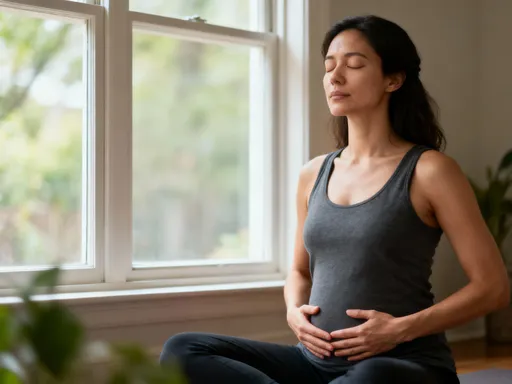
How Yoga Meditation Quietly Transformed My Body Balance
Have you ever felt your body out of sync—tense shoulders, low energy, or trouble unwinding? I did. After months of restlessness, I turned to yoga meditation not for quick fixes, but for real alignment. Blending traditional Chinese medicine principles with mindful movement, I discovered subtle yet powerful shifts. This isn’t about perfection—it’s about tuning in. What started as simple breathing evolved into a daily rhythm that reshaped my posture, calmed my nerves, and brought my body back into balance.
The Misalignment We Ignore
Many people live with physical imbalance without realizing it until discomfort becomes a constant companion. Tightness in the neck, stiffness in the lower back, shallow breathing, and persistent fatigue are not just random aches—they are signs that the body is out of harmony. These symptoms often go unnoticed at first, dismissed as normal byproducts of a busy life. Yet, over time, they accumulate, leading to chronic tension and reduced mobility. The modern lifestyle, characterized by long hours at a desk, constant screen exposure, and emotional stress, contributes significantly to this physical disconnect. Sitting for prolonged periods alters natural spinal curves, weakens core muscles, and tightens hip flexors, all of which compromise structural balance.
From the perspective of traditional Chinese medicine (TCM), this physical disharmony is linked to disruptions in the flow of Qi, the vital energy that travels through meridians in the body. When Qi becomes blocked or stagnant—often due to stress, poor posture, or lack of movement—the body responds with discomfort, fatigue, or muscular tension. Rather than treating these symptoms in isolation, TCM views them as signals from the body asking to be heard. For example, tight shoulders may not simply result from carrying a heavy bag but could reflect suppressed emotional strain or prolonged mental focus without physical release. Recognizing these signs as interconnected rather than separate issues allows for a more holistic approach to healing.
Physical imbalance also affects internal systems. Poor posture can compress organs, reducing digestive efficiency and lung capacity. When the body is misaligned, even simple movements require more effort, increasing strain on joints and muscles. Over time, this inefficiency leads to wear and tear, making everyday activities more taxing. The body’s natural ability to self-regulate and restore balance diminishes when it is constantly compensating for poor alignment. This is why addressing imbalance is not just about appearance or comfort—it is essential for long-term vitality. By tuning into these subtle cues early, individuals can prevent more serious issues and support the body’s innate wisdom to return to equilibrium.
Why Yoga Meditation Works Differently
Unlike high-intensity workouts that focus on external performance, yoga meditation operates on a deeper level—fostering internal awareness and integration. Its power lies not in how many poses one can perform, but in the quality of attention brought to each breath and movement. This practice combines three essential elements: breath regulation, gentle postures, and mental focus. Together, they influence both the nervous system and the musculoskeletal structure, creating conditions for the body to realign naturally. While vigorous exercise may strengthen muscles, yoga meditation enhances neuromuscular coordination, helping the body move with greater ease and precision.
The nervous system plays a crucial role in physical balance. Chronic stress activates the sympathetic nervous system, leading to muscle tension, shallow breathing, and heightened alertness—states that, when prolonged, disrupt the body’s equilibrium. Yoga meditation, through slow, rhythmic breathing and mindful movement, activates the parasympathetic nervous system, which promotes relaxation and recovery. This shift allows the body to release stored tension, particularly in areas like the neck, shoulders, and lower back, where stress commonly accumulates. As the nervous system stabilizes, so does posture, because relaxed muscles can support proper alignment rather than pulling the body out of balance.
From a TCM perspective, yoga meditation supports the smooth flow of Qi by removing energetic blockages associated with physical and emotional stagnation. Gentle stretching and twisting motions stimulate meridian pathways, encouraging energy circulation. Unlike forceful stretching, which can trigger protective muscle tightening, the slow and intentional nature of yoga allows tissues to release gradually. This approach aligns with the principle of *wu wei*, or non-forcing, where change occurs through gentle persistence rather than effortful struggle. Over time, this leads to sustainable improvements in flexibility, joint mobility, and postural awareness.
Additionally, yoga meditation enhances proprioception—the body’s ability to sense its position in space. Many people are unaware of how they stand, sit, or move until pain arises. Through consistent practice, individuals develop a refined sense of bodily feedback, allowing them to make subtle adjustments in real time. This heightened awareness is essential for maintaining balance, especially as we age. Unlike temporary fixes such as painkillers or massage, yoga meditation cultivates an ongoing relationship with the body, empowering individuals to become active participants in their own well-being.
My First Steps: Simple Practices That Made a Difference
Starting a yoga meditation practice does not require special equipment, a lot of time, or advanced skills. My journey began with just five minutes a day, focusing on foundational techniques that could be easily integrated into daily life. The first practice I adopted was diaphragmatic breathing, also known as belly breathing. This simple yet powerful method involves inhaling deeply through the nose, allowing the abdomen to expand fully, and exhaling slowly through the mouth. I practiced this while lying on my back or sitting upright, placing one hand on my chest and the other on my belly to ensure the breath was engaging the diaphragm rather than shallow chest breathing. Within days, I noticed a calmer mind and reduced shoulder tension.
Another early practice was the mountain pose, or *Tadasana*, performed with mindfulness. Standing with feet hip-width apart, I focused on grounding through the soles of my feet, aligning my spine, and relaxing my shoulders. Instead of rushing through the posture, I held it for several breaths, paying attention to subtle sensations—where I felt weight shifting, where muscles engaged, and where I held unnecessary tension. This simple act of standing with awareness revealed imbalances I had never noticed, such as favoring one leg or leaning slightly forward. Over time, this increased my postural awareness not just during practice, but throughout the day.
Body scanning meditation became another cornerstone of my routine. I would lie down comfortably and mentally move my attention from the toes to the crown of the head, observing areas of tightness, warmth, or numbness without trying to change them. This practice cultivated a non-judgmental awareness of my physical state, helping me recognize where stress was stored. For example, I often discovered tension in my jaw or lower back only when I paused to scan. These insights guided my movement practice, allowing me to tailor stretches and breathwork to my body’s actual needs rather than assumptions.
Consistency, not duration, was the key to progress. I committed to practicing these techniques daily, even if only for three to five minutes. The changes were gradual but unmistakable—my breathing became deeper, my posture improved, and I felt more grounded. These small actions created a ripple effect, influencing how I sat at my desk, carried groceries, or interacted with my family. By focusing on presence rather than performance, I built a sustainable practice that supported lasting physical balance.
Linking Breath to Body Awareness
Breath is the most immediate bridge between the mind and the body. Unlike other physiological functions, breathing can be both automatic and consciously controlled, making it a powerful tool for influencing physical and mental states. In yoga meditation, conscious breathing is not merely about increasing oxygen intake—it is about cultivating a dynamic relationship between breath and movement. When breath is synchronized with gentle motions, such as raising the arms on an inhale and lowering them on an exhale, the body learns to move with greater coordination and efficiency. This synchronization enhances neural communication, reinforcing the mind-body connection.
Slow, nasal breathing is particularly effective for promoting internal harmony. Breathing in and out through the nose regulates air temperature and resistance, stimulating the vagus nerve—a key component of the parasympathetic nervous system. This stimulation helps reduce heart rate and blood pressure, signaling the body to shift from a state of stress to one of calm. As the nervous system settles, muscles that have been chronically contracted begin to relax, allowing the spine and joints to return to more natural alignment. This process supports postural realignment not through force, but through internal regulation.
From a TCM perspective, the lungs govern the movement of Qi and are closely linked to emotional well-being. Shallow, rapid breathing restricts Qi flow, contributing to fatigue and emotional instability. Deep, rhythmic breathing, on the other hand, nourishes Qi and supports its smooth circulation throughout the body. Practices such as extended exhalations—where the out-breath is slightly longer than the in-breath—enhance this effect by prolonging the relaxation response. Over time, this type of breathing becomes a natural habit, even outside of formal practice, helping maintain energetic balance throughout the day.
Breath also serves as a feedback mechanism for body awareness. When the breath is smooth and steady, it indicates that the body is in a state of ease. Conversely, when the breath becomes shallow or irregular, it signals tension or discomfort—often before the mind consciously registers it. By tuning into the breath during daily activities, such as walking or working at a computer, individuals can catch early signs of physical strain and make immediate adjustments. This proactive awareness prevents the accumulation of tension and supports long-term structural health. In this way, breath becomes both a practice and a guide, helping the body stay in tune with its natural rhythms.
Posture, Energy, and Daily Habits
Good posture is not about standing rigidly straight—it is about dynamic alignment that supports efficient movement and sustained energy. Poor posture, such as slouching at a desk or craning the neck forward while using a phone, places unnecessary strain on muscles and joints. Over time, these habits lead to muscular imbalances, where some muscles become overactive while others weaken. This imbalance not only affects physical comfort but also reduces energy levels, as the body must work harder to maintain basic functions. Yoga meditation helps reverse this pattern by increasing body awareness and encouraging natural postural corrections.
One of the most noticeable changes I experienced was in my sitting posture. Before practicing yoga meditation, I often found myself slumping, only to feel discomfort in my lower back by midday. Through mindful awareness, I began to notice when my spine was collapsing and could gently reposition myself. Simple cues—such as aligning the ears over the shoulders and the shoulders over the hips—became easy reminders to reset. These small adjustments reduced strain on my spine and improved breathing, which in turn enhanced mental clarity and focus. Walking also changed; I became aware of how I rolled my feet and whether I was favoring one side, leading to a more balanced gait.
Energy conservation is another benefit of improved posture. When the body is aligned, movement requires less effort, reducing fatigue. In TCM, this is linked to the efficient use of Qi—when the body is not fighting against misalignment, vital energy can be directed toward healing, digestion, and mental function. Yoga meditation supports this efficiency by teaching the body to move with intention rather than habit. Over time, these mindful habits become second nature, allowing individuals to carry themselves with greater ease and resilience.
Daily routines can be adapted to reinforce these benefits. Taking short breaks to stretch, practicing seated breathing exercises, or standing mindfully while waiting in line all contribute to sustained alignment. The goal is not perfection but awareness—learning to listen to the body’s signals and respond with care. As these practices become integrated into everyday life, they foster a deeper connection between physical health and overall well-being.
When Tradition Meets Modern Life
Integrating ancient practices like yoga meditation into a modern, fast-paced lifestyle can seem challenging. Many people believe they need large blocks of time or a dedicated space to begin, but sustainability comes from adaptability. The key is to start small and build consistency. Micro-sessions of three to five minutes—such as mindful breathing at your desk or a brief body scan before bed—can be just as effective as longer practices when done regularly. These short moments of presence accumulate, creating a foundation for deeper change over time.
Environmental cues can support this integration. Setting a phone reminder to pause and breathe, placing a yoga mat in a visible area, or using a favorite cushion as a signal to practice all help reinforce the habit. Creating a calming space at home, even if it’s just a corner with a chair and soft lighting, makes it easier to transition into a meditative state. The intention is not to add another task to the day, but to weave moments of awareness into existing routines—like brushing your teeth, drinking tea, or waiting for the kettle to boil.
Another strategy is to link practice to daily transitions. For example, taking three conscious breaths after closing the laptop, before entering the house, or upon waking helps mark shifts in activity and supports mental and physical reset. These transitional moments are natural opportunities to check in with the body and release accumulated tension. Over time, they become anchors of calm in an otherwise busy day.
Flexibility in approach is essential. Some days, a full session may feel possible; other days, even one minute of mindful breathing is enough. The practice is not about meeting a standard but about maintaining connection. By adapting traditional wisdom to modern realities, yoga meditation becomes not an obligation, but a nourishing part of life—a quiet commitment to listening, aligning, and restoring balance in a world that often pulls us in opposite directions.
Listening to Your Body: The Core of Lasting Change
True transformation in yoga meditation comes not from achieving perfect poses, but from cultivating the ability to listen—deeply and without judgment. The body communicates constantly through sensations: warmth, tingling, tightness, ease, or discomfort. These signals are not demands for correction, but invitations to awareness. When we learn to observe them with curiosity rather than criticism, we develop a relationship of trust with our physical selves. This shift from striving to sensing is the foundation of lasting change.
Self-observation allows us to notice patterns. For example, after a meditation session, one might feel a sense of lightness or groundedness—indicating that the nervous system has relaxed. On other days, residual tension in the shoulders or jaw may reveal where stress is still held. Rather than trying to force release, the practice is to acknowledge these sensations and allow them to be present. This non-reactive awareness creates space for natural adjustment to occur, much like a river finding its course.
Over time, this mindful attention extends beyond formal practice. We begin to notice how certain foods affect energy levels, how sitting positions influence comfort, or how emotional states manifest physically. This holistic awareness supports informed choices—such as adjusting a workstation, taking a walk after meals, or pausing to breathe during a stressful moment. These small decisions, guided by inner feedback, contribute to long-term resilience and balance.
Unlike rigid fitness regimens that prioritize external outcomes, yoga meditation emphasizes personal experience. There is no universal standard of success—only the individual’s evolving relationship with their body. This approach fosters sustainability because it is rooted in self-knowledge rather than comparison. As we continue to listen, we become more attuned to our unique rhythms, needs, and capacities. In this way, yoga meditation becomes more than a practice—it becomes a way of living, where balance is not achieved, but continually rediscovered.
Yoga meditation isn’t a cure—it’s a conversation with your body. By embracing stillness, breath, and mindful movement, you invite gradual, natural realignment. Grounded in traditional wisdom and supported by modern understanding, this practice offers a gentle path to better balance. Start small, stay consistent, and let your body lead the way.