How Qigong Quietly Transformed My Mental Clarity and Emotional Calm
For years, I struggled with constant mental noise—racing thoughts, low-grade anxiety, and emotional swings that made daily life feel overwhelming. Then I discovered qigong, a cornerstone of traditional Chinese medicine wellness. Not a quick fix, but a steady practice that reshaped my inner world. This is not about dramatic cures, but real, subtle shifts in psychological balance I didn’t think possible. What began as curiosity soon became a lifeline, offering clarity not through force, but through gentle, consistent attention. Over time, the chaos quieted, and a deeper sense of calm took root—something I had longed for but never truly believed I could sustain.
The Hidden Cost of Modern Mental Overload
In today’s fast-paced world, mental overload has become a silent epidemic. Many people, especially women balancing family, work, and personal well-being, carry a steady hum of background stress. It’s not always dramatic—no single crisis, no diagnosis—just a persistent feeling of being stretched too thin. The mind races from one task to the next, emails buzz, calendars fill, and even rest feels interrupted by the glow of screens. This constant stimulation keeps the nervous system in a near-constant state of alert, subtly eroding emotional stability over time.
Neurologically, this chronic activation triggers the sympathetic nervous system—the “fight or flight” response—more often than necessary. When this happens day after day, the body has less opportunity to return to balance, or homeostasis. The parasympathetic system, responsible for “rest and digest” functions, becomes underactive. This imbalance can manifest as irritability, difficulty concentrating, sleep disturbances, and a lowered threshold for emotional regulation. Over time, even small frustrations can feel overwhelming, and joy can seem just out of reach.
Psychological balance is not simply the absence of anxiety or depression; it is the ability to respond to life’s fluctuations with resilience and presence. It means feeling emotions without being hijacked by them, making decisions from a place of clarity rather than reactivity. When mental noise dominates, this balance is disrupted. The cost is not just emotional—it affects physical health, relationships, and overall quality of life. Recognizing this imbalance is the first step toward restoring a more grounded, centered way of being.
Qigong: More Than Movement—A Mind-Body Reset
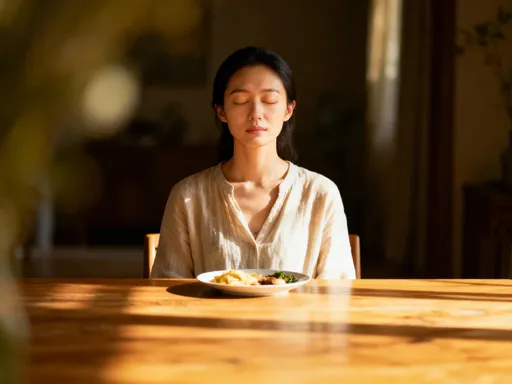
Qigong (pronounced “chee-gong”) is an ancient practice rooted in traditional Chinese medicine, designed to cultivate and balance the body’s vital energy, known as “qi.” Unlike high-intensity workouts or rigid fitness routines, qigong emphasizes slow, intentional movements, coordinated breathing, and mindful awareness. It is not about exertion, but about alignment—between breath and motion, body and mind, effort and ease. This makes it uniquely suited for those seeking relief from mental fatigue without adding physical strain.
At its core, qigong operates on the principle that physical and mental health are deeply interconnected. When the body is tense, the mind follows. When the breath is shallow and rapid, the nervous system interprets this as stress. Qigong reverses this cycle by using gentle postures and deep, rhythmic breathing to signal safety to the brain. Over time, this recalibrates the autonomic nervous system, encouraging a shift from chronic alertness to a state of calm readiness.
While qigong shares similarities with yoga and meditation, it stands apart in its accessibility and holistic focus. Yoga often emphasizes flexibility and strength, sometimes requiring physical adjustments that can be challenging for beginners. Meditation typically involves stillness and mental focus, which can feel difficult for those with racing thoughts. Qigong bridges the two: it includes movement to anchor attention, breathwork to regulate the nervous system, and mental focus to cultivate presence—all without demanding stillness or extreme physical ability. It meets people where they are, making it a practical tool for long-term emotional and mental wellness.
Why Science Is Starting to Pay Attention
In recent years, scientific interest in qigong has grown, supported by a body of research examining its effects on mental and physiological health. Studies have shown that regular qigong practice can significantly reduce levels of cortisol, the primary stress hormone, leading to lower perceived stress and improved mood. One meta-analysis published in the Journal of Psychosomatic Research found that qigong practitioners reported moderate to large reductions in anxiety and depression symptoms compared to control groups.
Another key area of research involves heart rate variability (HRV), a measure of the nervous system’s flexibility and resilience. Higher HRV is associated with better emotional regulation and overall health. Research has demonstrated that qigong increases HRV, indicating a stronger parasympathetic response and improved autonomic balance. This means the body becomes better at recovering from stress, rather than staying stuck in a heightened state.
Additionally, brain imaging studies suggest that mind-body practices like qigong can enhance activity in regions associated with emotional regulation, such as the prefrontal cortex, while reducing activity in the amygdala, the brain’s fear center. These changes support greater emotional stability and reduced reactivity. While qigong is not a substitute for professional mental health treatment, it is increasingly recognized as a valuable complementary practice. Health organizations, including the National Center for Complementary and Integrative Health, acknowledge its potential to support well-being, particularly for those managing chronic stress or anxiety.
The Three Core Practices That Made a Difference
What transformed my experience was not a single grand gesture, but the consistent integration of three foundational qigong techniques: abdominal breathing, standing meditation (Zhan Zhuang), and the Six Healing Sounds. Each played a distinct role in restoring my psychological balance, and all are simple enough to begin immediately, regardless of experience or physical condition.
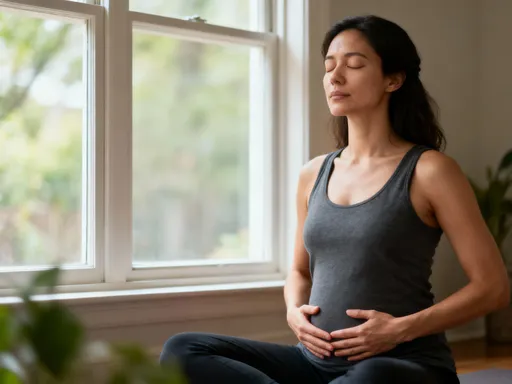
Abdominal breathing, also known as diaphragmatic breathing, is the cornerstone of qigong practice. Unlike the shallow chest breathing common during stress, this technique involves slow, deep breaths that expand the belly on the inhale and gently contract it on the exhale. This simple act activates the vagus nerve, a key component of the parasympathetic nervous system, signaling the body to relax. Practicing for just five minutes daily can reduce mental chatter and create a sense of groundedness. It’s especially effective before bedtime or during moments of emotional tension.
Standing meditation, or Zhan Zhuang, may sound passive, but it is profoundly powerful. The practice involves standing still with feet shoulder-width apart, knees slightly bent, arms rounded as if holding a large ball, and the spine gently aligned. The goal is not to achieve a perfect posture, but to cultivate awareness of the body and breath. At first, the stillness can feel awkward, even uncomfortable. But over time, it becomes a space of quiet strength. Many practitioners report a sense of inner fullness and stability after regular practice. For me, it became a daily anchor—a way to reconnect with myself amid the noise of daily life.
The Six Healing Sounds is a gentle qigong method that uses specific breaths and vocalizations to release emotional tension stored in different organs, according to traditional Chinese medicine. Each sound corresponds to an organ system—lungs, kidneys, liver, heart, spleen, and triple burner—and is believed to help clear stagnant energy. For example, the “Shhh” sound is associated with the liver and can help release anger or frustration. While the concept may seem unfamiliar at first, the practice itself is soothing and accessible. Sitting quietly and breathing out each sound with intention creates a meditative rhythm that calms the mind and promotes emotional flow. I found this especially helpful during emotionally charged days, offering a sense of release without words.
Breaking the Myth: You Don’t Need Hours or Special Gear
One of the most common barriers to starting qigong is the misconception that it requires hours of practice, special clothing, or a spiritual belief system. The truth is quite the opposite. Qigong is designed to be practical and adaptable. You don’t need a mat, a studio, or even a lot of space. A quiet corner of your living room, a few minutes between errands, or a moment before bed can be enough to begin.
Many people assume that wellness practices must be intense to be effective. But qigong operates on a different principle: small, consistent actions lead to lasting change. Research in behavioral psychology supports this—micro-habits, when repeated, create neural pathways that support new patterns of thought and behavior. Just ten minutes a day of abdominal breathing or standing meditation can yield noticeable benefits over time. The key is regularity, not duration.
Physical limitations are another concern for some. Unlike high-impact exercise, qigong can be modified for any ability level. Movements are gentle and can be done seated or standing. Those with joint issues, chronic pain, or limited mobility can still benefit from the breath and focus components. The practice meets you where you are, honoring your body’s current state. There is no competition, no performance—only presence. This inclusivity makes qigong a sustainable choice for long-term mental and emotional wellness.
From Skeptic to Steady Practitioner: A Real Shift
My journey with qigong began with skepticism. I had tried meditation before and found my mind too restless to sit still. I worried I wouldn’t “do it right” or that it would feel like one more item on an already full to-do list. But I committed to just five minutes a day—five minutes of breathing, five minutes of standing, five minutes of listening. The changes were not immediate, but they were real.
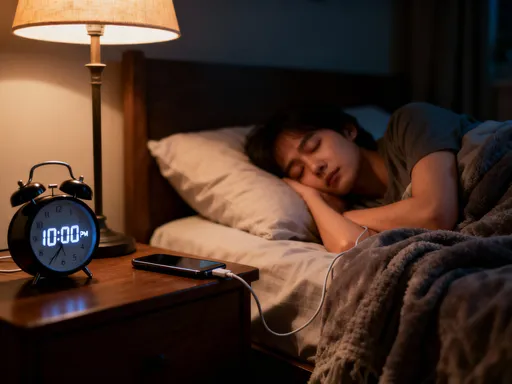
Within the first few weeks, I noticed I was sleeping more deeply. My mind didn’t race as much at night. Small frustrations—like a delayed appointment or a missed call—no longer triggered disproportionate reactions. I began to catch myself before snapping at my children or reacting defensively in conversations. These were not grand transformations, but quiet victories that added up.
Over months, a deeper shift occurred. I became more aware of my emotional patterns—when I was holding tension in my shoulders, when I was avoiding a difficult conversation, when I was pushing myself too hard. This awareness didn’t eliminate challenges, but it gave me space to respond differently. I started to see qigong not as a fix, but as a form of self-respect—a daily reminder that I was worth the time and attention. The benefits accumulated like interest on a savings account: slow at first, then increasingly visible. Today, my practice is non-negotiable, not because it’s perfect, but because it works.
Integrating Qigong Into a Balanced Life
Qigong does not exist in isolation. Its power is amplified when woven into a lifestyle that supports mental and emotional well-being. Simple habits—like mindful walking, reducing screen time, or journaling thoughts before bed—can enhance the effects of qigong practice. For example, taking a short walk with full attention on each step and breath can extend the sense of presence cultivated during qigong. Similarly, setting boundaries around digital use, especially in the evening, protects the nervous system and supports deeper rest.
Journaling can also complement qigong by providing a space to process emotions that arise during practice. Sometimes, as the body relaxes, buried feelings surface. Writing them down—not to analyze, but to acknowledge—can prevent them from building up. This combination of movement, breath, and reflection creates a holistic approach to emotional regulation.
It’s important to emphasize that qigong is not a replacement for professional mental health care. For those experiencing clinical anxiety, depression, or trauma, consulting a healthcare provider is essential. Qigong can serve as a supportive practice, enhancing the effectiveness of therapy or medication, but it should not be used as a standalone treatment for serious conditions. When used responsibly, it becomes a tool for empowerment, not avoidance.
Viewing qigong as an act of self-respect, rather than self-improvement, shifts the motivation from obligation to care. It’s not about becoming a better version of yourself, but about honoring the one you already are. In a culture that glorifies productivity and speed, choosing stillness is a radical act. Qigong offers a way to reclaim that stillness—not to escape life, but to meet it with greater clarity, calm, and compassion.
Qigong didn’t erase life’s challenges—but it gave me a steadier mind to meet them. In a world that glorifies speed and output, choosing stillness becomes revolutionary. This ancient practice offers not escape, but grounding: a way to reclaim psychological balance, one breath at a time.